A B2B tablet inquiry rarely arrives as a complete product specification.
A buyer may begin with a simple request for agency cooperation. Another may ask for a product catalog, pricing, and payment terms. A project supplier may already identify tablets as the required product category and a government market as the destination.
These messages describe business opportunities, but they do not necessarily describe the final device.
For a distributor, project supplier, system integrator, or brand buyer, that distinction matters because the same “tablet” requirement can lead to very different products once the actual application is understood. A handheld device, a fixed touchscreen terminal, a wall-mounted Android display, and a customized commercial terminal may all be referred to as a tablet during an early supplier search.
The useful question is therefore not simply which tablet to buy.
It is:
What role does the device need to play in the buyer’s business, and what product requirements follow from that role?
Several anonymized B2B inquiry examples make this transition easier to see.
A Channel Inquiry Describes the Opportunity Before It Defines the Device
One recurring inquiry pattern is simply:
“Looking for agency cooperation.”
Three anonymized inquiries followed this general form.
The request communicates a clear commercial interest, but it contains very little information about the actual terminal. It does not indicate whether the buyer needs a handheld device, a fixed display, a touchscreen interface, or a product designed around a particular software application.
That does not mean the inquiry lacks a potential business opportunity. It means the product definition has not reached the same level of clarity as the commercial objective.
This distinction becomes important when a buyer is entering a new product category. A distributor may know that its market is interested in tablets but still be uncertain about which form factor will work best. A project supplier may already have an end customer but be waiting for the final device requirements. A system integrator may know exactly what its software needs to do while leaving the hardware architecture open.
In these situations, the word tablet functions as a starting category.
The actual product begins to emerge when the buyer can explain the role of the device.
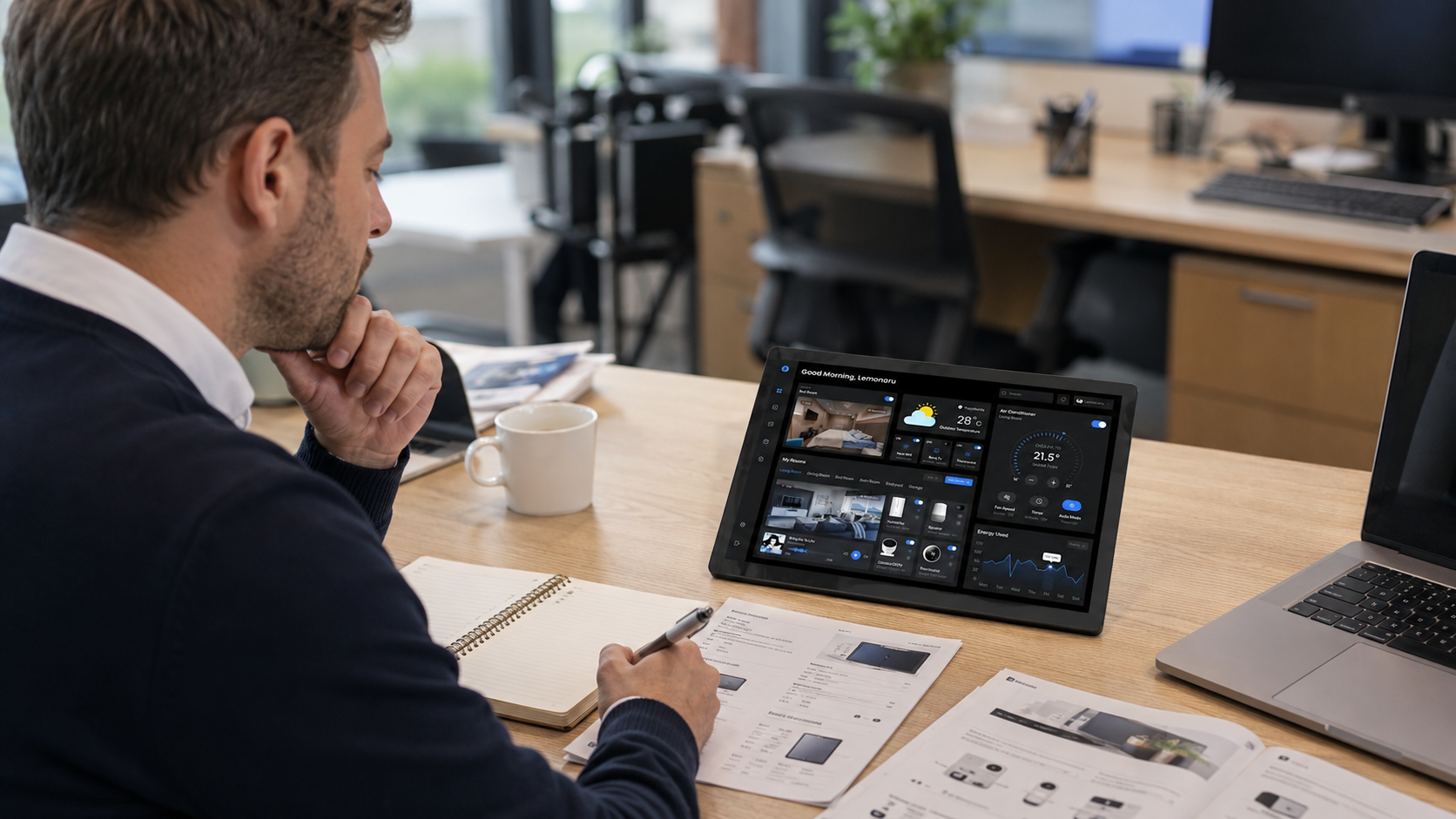
A tablet used as a mobile work tool has a different purpose from a display mounted outside a meeting room. A touchscreen terminal used for customer interaction has different requirements from a general-purpose tablet sold through a distribution channel.
That is why the absence of a model number is not the main issue.
The more useful question is whether the inquiry contains enough information to understand what the device needs to do.

The More Specific the Business Context, the More Specific the Product Discussion Becomes
Another anonymized inquiry requested product details, a catalog, prices, and payment terms in order to evaluate a potential purchasing relationship.
This message provides a different type of signal.
The buyer has moved beyond a general request for cooperation and is actively asking for information about products and commercial conditions. That creates a clearer starting point for the supplier conversation.
But it still does not define the device.
A request for pricing does not tell the manufacturer whether the buyer needs a particular screen size, mounting method, touchscreen configuration, connectivity arrangement, enclosure, or software environment. Those details matter because they determine whether two products being described as “tablets” are actually comparable.
This is why the commercial discussion is more useful after the product requirement has been clarified.
A practical progression is:
Business context → application → product requirement → suitable configuration → commercial discussion
The important shift is from a general product category to a specific device role.
This also explains why a catalog can be useful at one stage and less useful at another. When the buyer is still exploring the category, a broader portfolio helps reveal what types of devices are available.
Once the intended application becomes clear, the discussion should narrow toward the products that actually fit the use case.
The same principle applies to pricing. A buyer may legitimately want to understand commercial terms early, but a meaningful price comparison requires a reasonably defined configuration.
For a B2B tablet supplier or Android display OEM, the ability to translate an application into an appropriate configuration therefore becomes part of the procurement discussion.
The Intended Application Often Determines What “Tablet” Actually Means
The inquiry connected with the Brazilian government market provides a stronger example of how business context affects product definition.
The buyer described a requirement for tablets intended for the Brazilian government market and was looking for a long-term supplier relationship.
That information is more specific than “looking for agency cooperation.” It identifies a product category, a target market, and a project or channel context.
Yet it still does not tell us enough to define the hardware.
The next question is what the device will actually do.
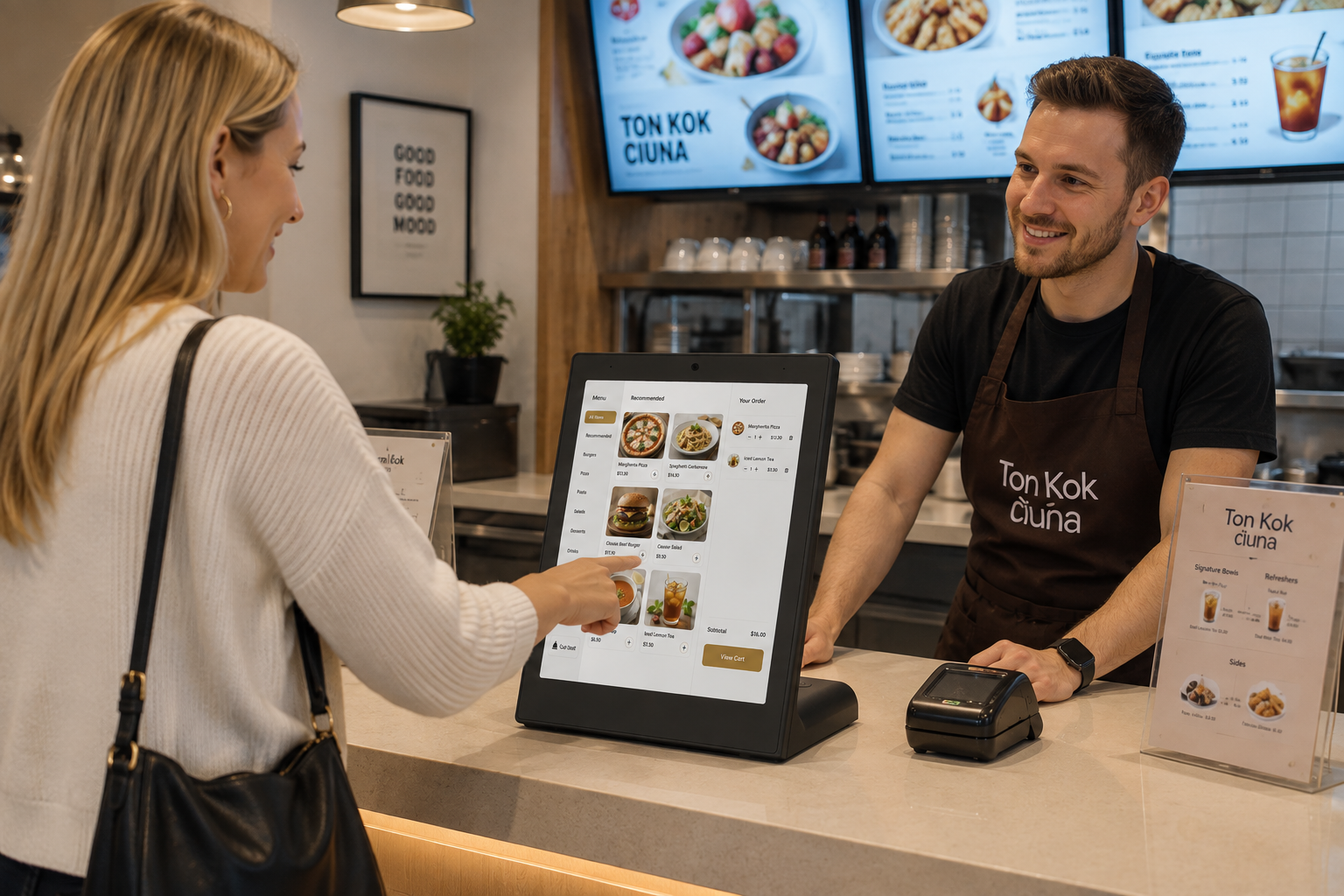
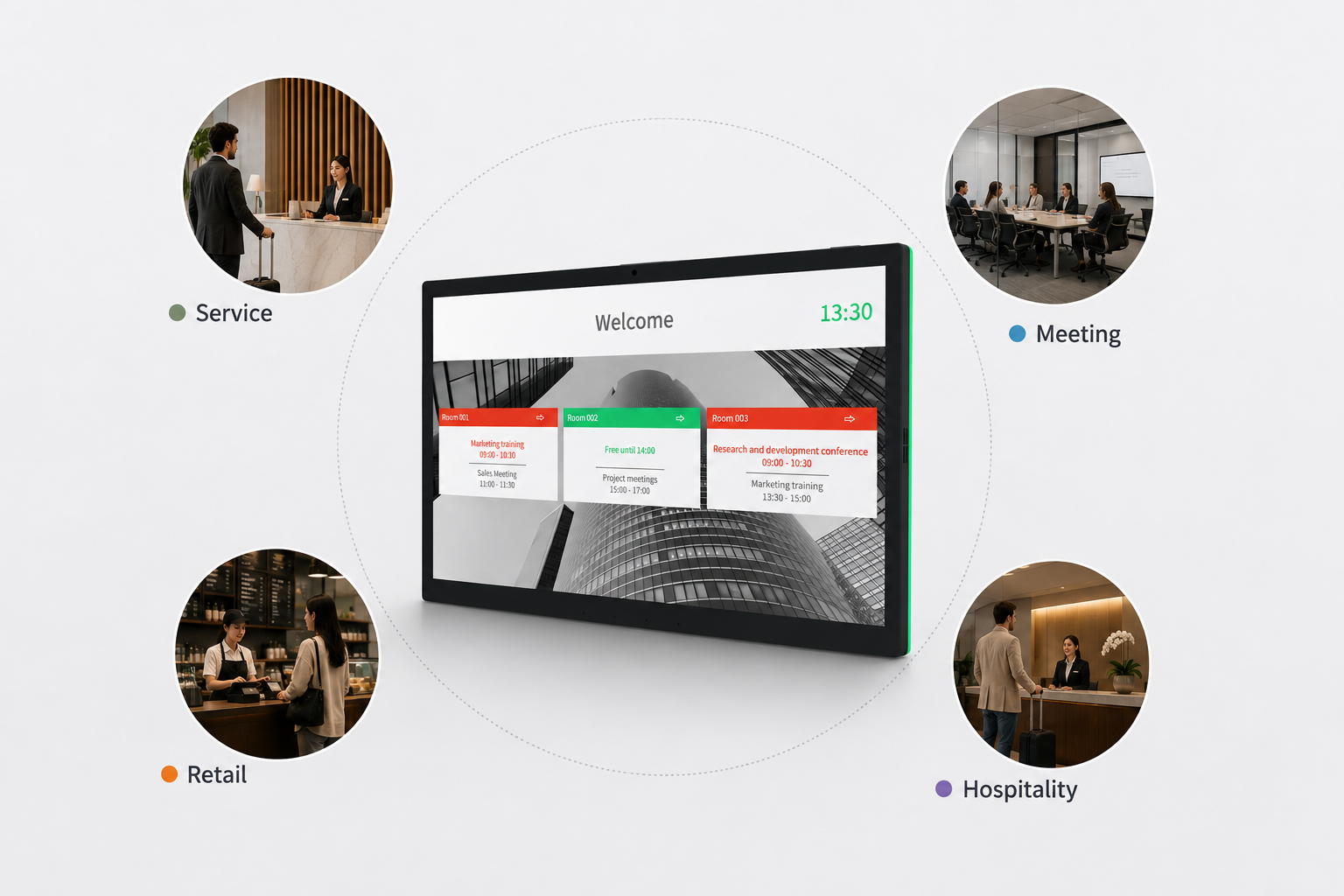
A tablet issued to mobile personnel is fundamentally different from a fixed touchscreen used at a service point. A device incorporated into a larger system may require different interfaces or software support from a standalone commercial tablet. A terminal installed in a public or business environment may place greater emphasis on mounting and enclosure design than on portability.
In other words, the market does not select the device by itself.
The application translates the market opportunity into a physical and technical requirement.
Once the application is understood, requirements such as screen size, touch interaction, mounting method, connectivity, interfaces, Android environment, and enclosure can be discussed for a reason.
This is where a general tablet requirement may become a commercial Android display requirement.
The difference is not merely terminology. It affects how the product is designed and where it is deployed.
For a distributor, the result may still be a standard tablet. For a project supplier, the requirement may point toward a fixed display terminal. For a system integrator, the hardware may need to fit a defined software workflow. For a brand buyer, the same project may eventually require a dedicated product configuration.
The hardware choice follows the device’s role.
When Does an Android Display Need to Become a Customized Product?
Not every B2B requirement needs customization.
If an existing commercial Android display already satisfies the application, using a standard configuration may be the simplest route to product validation and deployment.
The situation changes when the application creates requirements that an existing product cannot reasonably satisfy.
A project may call for a dedicated enclosure, a particular mounting structure, branding, a different interface arrangement, or a hardware configuration built around a defined software environment. At this stage, the buyer is no longer simply choosing among existing products.
The buyer is defining a product.
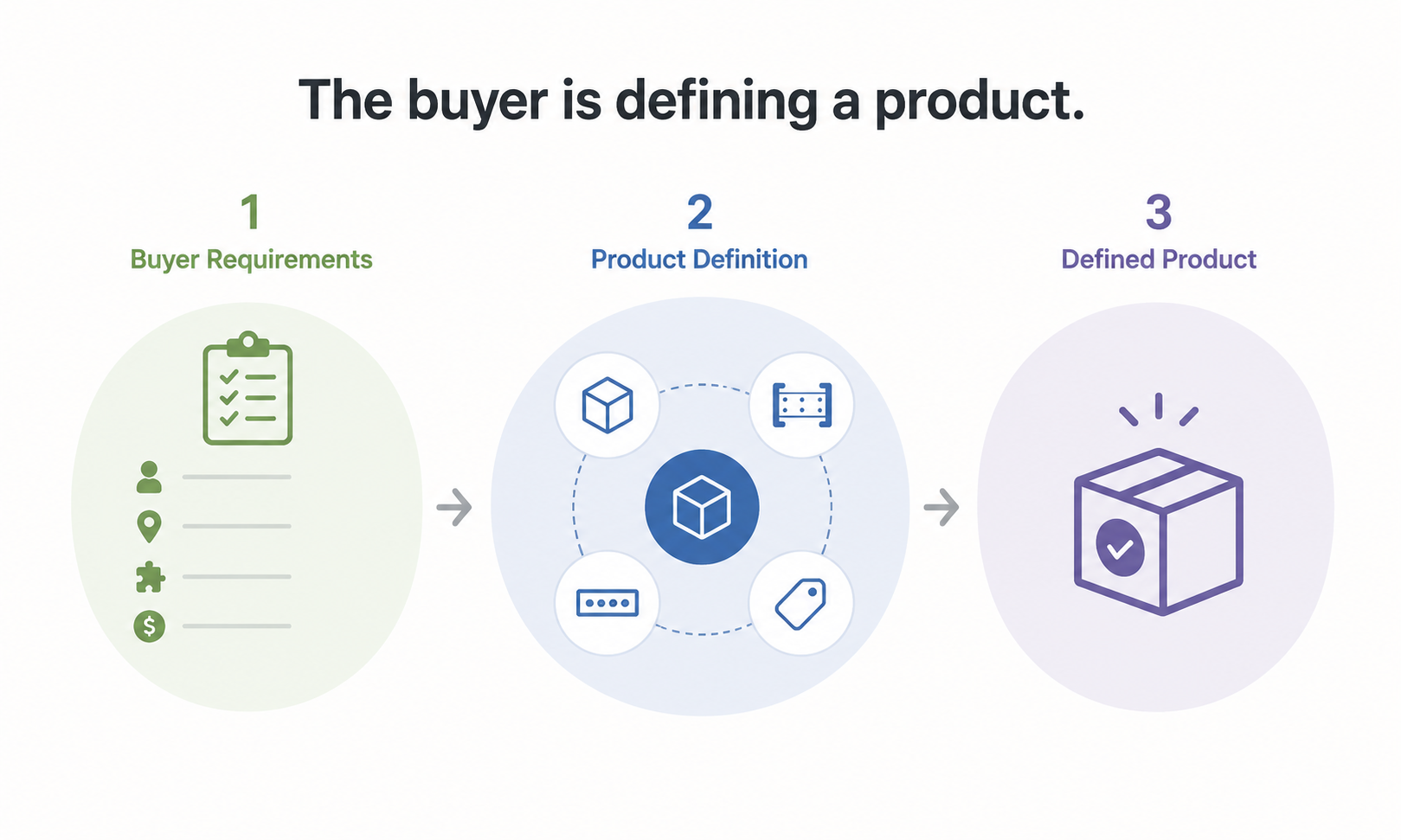
That is where tablet OEM and tablet ODM become relevant.
The distinction is useful:
| Requirement situation | More appropriate product direction |
|---|---|
| Existing configuration fits the application | Standard commercial Android display |
| Existing product is close but needs defined changes | Customized Android display terminal |
| Buyer has a dedicated product concept or long-term product program | OEM/ODM development |
This does not mean every customized project should become a full OEM program.
The commercial question is whether the required changes are significant enough, and sufficiently stable, to justify dedicated product development or manufacturing.
That decision should come after the application is understood.
A common mistake in early sourcing is to jump directly from “we need tablets” to “we need OEM.” That reverses the order of product definition.
OEM/ODM is most useful when there is already a clear reason for the product to be different from the standard offering.
A Better Way to Translate a Tablet Inquiry Into a Product Requirement
The most useful outcome of an early B2B inquiry is not a model number. It is a clearer description of the device’s role.
The anonymized inquiry examples show three different starting points: agency cooperation, a request for catalog and commercial information, and a government-market tablet requirement.
They contain different amounts of business information, but none of them should be treated as a complete hardware specification.
The product discussion becomes much clearer when the buyer can establish:
- Target application: What will the device be used for?
- User: Who will interact with it?
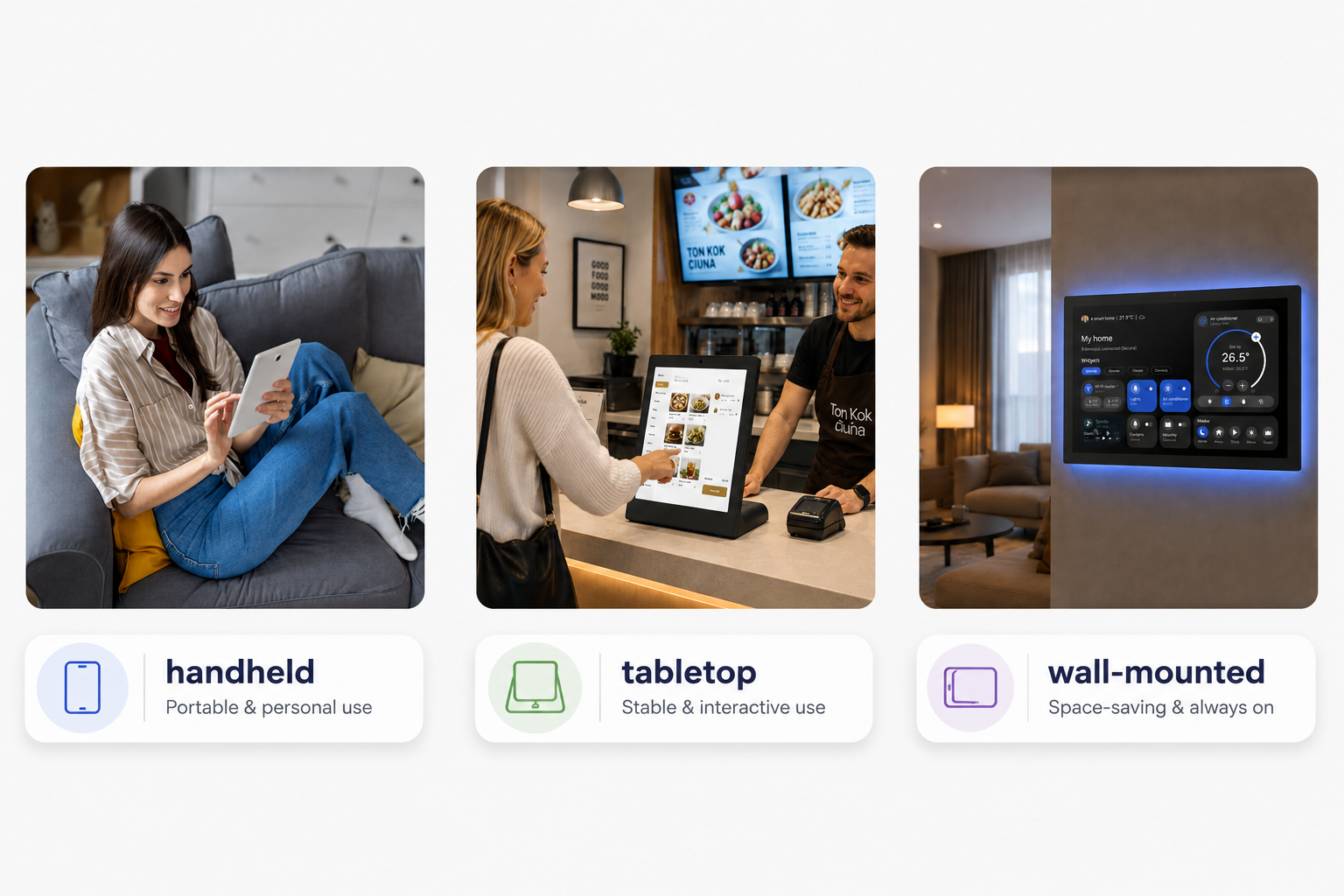
- Deployment: Will it be handheld, tabletop, wall-mounted, embedded, or used as a kiosk-style terminal?
- Product requirements: Which screen, touch, Android, connectivity, interface, or enclosure requirements are already fixed?
- Product direction: Can an existing commercial Android display satisfy the need, or is customization required?
This is not a supplier-selection checklist. It is a way of turning a business opportunity into a usable product definition.
The sequence also helps explain why different buyers can approach the same manufacturer with very different first messages.
A distributor may begin with a channel relationship because the product category itself is still being explored. A project supplier may start with the target market because an end opportunity already exists. An integrator may come with an application first because the software workflow is already known.
The manufacturing requirement emerges as these pieces connect.
That is the point at which the distinction between standard product, customized terminal, and OEM/ODM becomes practical rather than theoretical.
For buyers exploring a new tablet category, distribution opportunity, or project deployment, the most efficient starting point is to define the intended application and deployment environment. From there, the hardware requirements become easier to specify and the appropriate product route becomes clearer.
A standard commercial Android display may be enough for one project. Another may call for a customized terminal. A clearly defined long-term product concept may justify an Android display OEM/ODM program.
The important transition is not from “inquiry” to “quotation.”
It is from:
“I need a tablet.”
to:
“I need a device that performs this role, in this environment, with these requirements.”
Once that statement is clear, the right product direction becomes much easier to determine.
For projects that have already moved into that stage, the next useful step is to review commercial Android display applications against the intended deployment and then determine whether a standard configuration is sufficient or an OEM/ODM display terminal should be considered.
If your tablet project is still at the stage of deciding what the device needs to do, describing the intended application and deployment environment is the fastest way to move forward — our team can help you determine whether a standard commercial Android display is enough or a customized terminal makes more sense.
![32-inch-fhd-100hz-monitor-01-front-view[1]](https://jingdsdisplay.com/wp-content/uploads/elementor/thumbs/32-inch-fhd-100hz-monitor-01-front-view1-rtv3hz3cp3o06y3s4jp313gbfcxhdyc21xtezpuiv4.png "32-inch-fhd-100hz-monitor-01-front-view[1]")